The Ultimate Guide to Casino Account Verification
We have all experienced this. You come across a trustworthy platform like Incaspin Casino, experience a seamless registration, make a few bets, and then, right when you achieve a lucky streak and submit a withdrawal, the system halts you. The feared verification pop-up emerges. While it seems like an obstacle at the time, account verification is by no means a punitive measure designed to postpone your winnings. It is a obligatory regulatory shield that secures both the operator and the player from the dark underbelly of digital finance. From our analytical perspective, a casino that strictly enforces Know Your Customer protocols right away signals operational integrity and licensing compliance. Grasping this process converts it from a annoying chore into a basic security checkpoint.
What Makes Online Casinos Require Identity Verification
The digital gambling ecosystem functions on a foundation of trust that has no place without rigid identity checks. We analyze this from a regulatory standpoint first: licensed operators are not permitted to process transactions without confirming that you are who you assert to be. This prevents the platform from serving as a vehicle for money laundering, terrorist financing, or tax evasion. Furthermore, age verification is essential. Reputable venues are required to establish a robust barrier stopping underage individuals from accessing real-money games. When a casino omits to verify ages properly, it risks massive fines, license revocation, and irreparable reputational damage. Beyond legal mandates, verification also safeguards your own funds. By linking your account to a verified identity, the casino guarantees that only you can initiate withdrawals, stopping fraudsters who might have stolen your login credentials. We see this as a mutual protection mechanism rather than a bureaucratic hurdle.
Why Verification Faces Delays or Declined
Even meticulous players may face hiccups during verification. From our analysis of common pain points, the root cause is almost always a mismatch between the information on the documents and the details held in the casino’s system. Other frequent issues include poor image quality, documents that fall outside the acceptable date range, or the use of unsupported document types. Understanding these pitfalls in advance allows you to sidestep them entirely. We have compiled the most prevalent reasons for delays and rejections below, along with actionable advice on how to resolve each situation quickly. Remember that a rejection is not permanent; it is simply a request for better or additional information.
Name Mismatch After Wedding or Official Change
A frequent scenarios we come across involves players who created an account using their maiden name but sent in a driver’s license in their married name, or vice versa. The compliance system identifies this as a potential fraud indicator because the names do not correspond. If you have recently changed your name due to marriage, divorce, or a legal name change, you will need to supply a linking document. A marriage certificate or a deed poll document that shows both the old and new names is typically needed. Attach this additional document alongside your ID, and if possible, reach out to customer support proactively to describe the situation. This small step can save days of back-and-forth communication.
Unreadable or Cropped Document Images
We cannot overstate the importance of image quality. A photo captured in dim lighting with a shaky hand will almost certainly be refused. The compliance officer needs to view the document’s security features, such as holograms, microprinting, and the photo ID clearly. Use a flatbed scanner if you possess one, or put the document on a dark, flat surface and snap a photo from directly above in natural daylight. Ensure that no part of the document is cut off. Some casinos now provide a guided upload function that uses your phone’s camera to automatically record the document correctly. If that option is accessible, use it. Re-submitting the same poor-quality image multiple times will only annoy you and delay the process further.
Employing a VPN or Mismatched Login Locations
An frequently missed trigger for further scrutiny is the use of a VPN or signing in from a place that does not match your registered location. Casinos monitor IP addresses as an element of their anti-fraud measures. If you are a person living in Germany but your account regularly logs in from a server abroad, the risk algorithms may mark your account for enhanced due diligence. We suggest deactivating your VPN while playing and during the verification process, unless you have a legitimate reason and have advised the casino beforehand. If you travel often, it is advisable to notify customer support so they can record your account and bypass unnecessary blocks when you try to withdraw from a different location.
The Step-by-Step Verification Process
From the moment you request a withdrawal or reach a deposit threshold, the verification workflow usually unfolds in a structured sequence. We have observed that most reputable casinos adhere to a similar pattern, though the exact interface may vary. First, the platform requires document uploads through a secure portal. You will typically receive an email or an on-site notification with a direct link. After submission, an automated system scans the files for basic legibility and format compliance before a human compliance officer takes over. This officer matches the details against your account registration data and may use third-party databases for enhanced due diligence. The process is intended to be linear, but additional requests can send you back if something is unclear. Understanding each phase aids you prepare mentally and materially, reducing the anxiety that often comes with the waiting period.
First Document Submission
This is the critical first step where you upload the required files. We advise logging in from a desktop rather than a mobile device because cropping and file format issues are less frequent. The casino’s upload interface usually allows JPEG, PNG, or PDF formats, with a maximum file size limit that can catch out users who try to submit high-resolution scans. Before you even begin, check that your documents are current, fully visible, and free of glare or shadows. A common mistake we see is submitting a utility bill that is slightly older than the allowed three-month window, which immediately triggers a rejection. Take the time to preview each file after uploading to ensure the text is sharp and all four corners of the document are visible. A clean submission at this stage greatly reduces the overall turnaround time.

Automatic and Hand-operated Review
Once your files arrive in the system, optical character recognition software often gathers data points like your name, address, and date of birth automatically. This data is then compared against the details you entered during registration. If the automated check flags a mismatch—for example, a middle name missing on one document—the file is queued for a manual review. A trained compliance analyst then inspects the documents with a human eye, verifying security features on identity cards and checking for signs of digital manipulation. We find that this hybrid approach combines speed with security. While automation can clear straightforward cases in minutes, the manual review guarantees that edge cases do not result in unfair rejections. The analyst may also perform a liveness check if the casino uses biometric verification, asking you to submit a real-time selfie to match against your photo ID.
Standard Documents Required for Verification
The exact document list changes by jurisdiction and the player’s deposit method, but a fundamental set of paperwork is practically universally requested. We have reviewed dozens of casino KYC policies and found that operators typically ask for three classes of proof: identity, address, and payment method. Preparing these in advance can cut your verification time in half. The key is to ensure that the name on all documents corresponds to exactly the name you used when setting up your account. Even a small discrepancy, such as a shortened first name or a missing middle initial, can cause a delay. Below we outline each category with the exact documents that are expected to be accepted without fuss, based on our experience reviewing player feedback and casino support forums.
Evidence of Identity
A valid government-issued photo ID is the foundation of the verification process incaspin.ro. Casinos will generally accept a passport, a national identity card, or a driver’s license. The document must be up-to-date; expired IDs are never accepted. We recommend using a passport whenever possible because it is uniform internationally and contains all the required information in one place—full legal name, date of birth, photograph, and a unique document number. If you use a driver’s license, make sure both the front and back are scanned, as the back often contains the barcode or magnetic strip data that some compliance teams check. Some casinos also accept a residence permit card if you are an expat. The critical factor is that the photo must be clear and the text legible; blurry images are the number one reason for document rejection at this stage.
Verification of Address
To validate your place of residence, casinos typically ask for a utility bill, a bank statement, or an formal government letter. The document must contain your full name, current address, and a date of issue that is within the last three months. We have noticed that mobile phone bills and internet service provider invoices are the most commonly accepted, while some operators reject insurance documents or medical bills because they are simpler to forge. Digital statements are broadly accepted now, but you must upload the full PDF, not just a screenshot of the summary page. The address on this document must align with the address you registered with perfectly, down to the apartment number and postal code. If you have recently moved, update your address in your casino profile before starting verification to avoid an automatic mismatch.
Evidence of Payment Method
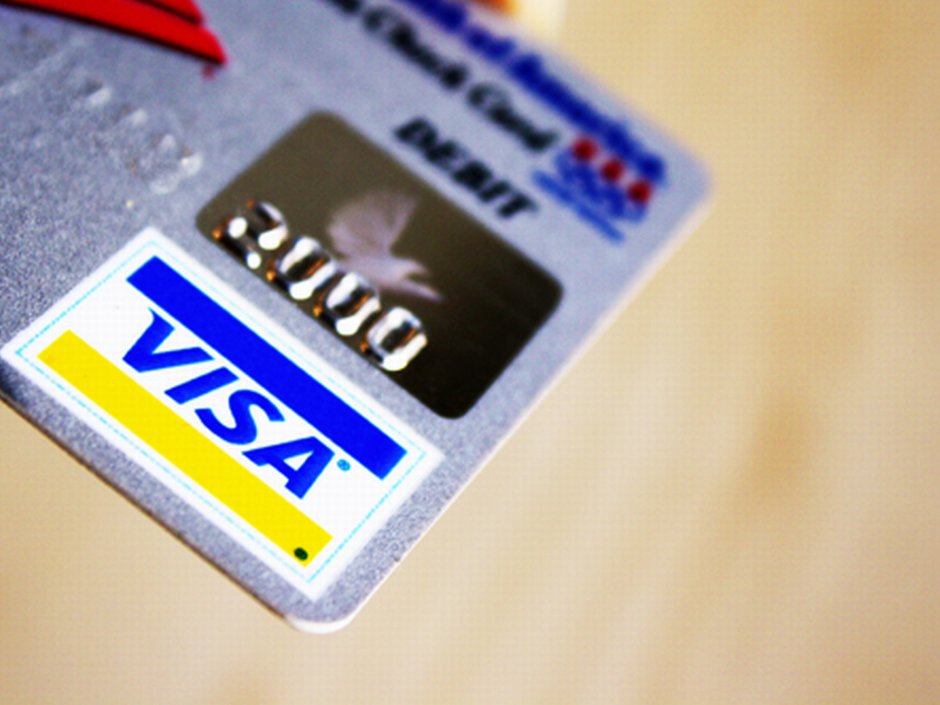
If you deposited using a credit or debit card, the casino will most likely ask you to submit a photo of the physical card. You can hide the middle eight digits of the card number and the CVV code for security; only the first six and last four digits need to be visible, along with your name and the expiry date. For e-wallet users, a screenshot of your Skrill or Neteller account profile page showing your name and email address is typically sufficient. Bank transfer users may need to upload a bank statement that visibly shows the transaction to the casino. We find that this step is where many players get frustrated because they did not realize they would need to verify the payment method itself. Preparing these screenshots or photos ahead of time, with sensitive data redacted appropriately, will maintain the process moving smoothly.
How Long Does Casino Verification Need?
The timeline for account verification varies significantly between operators, but we can give a realistic range based on aggregated player reports. In perfect circumstances, where documents are uploaded properly and the automated systems find no discrepancies, verification can be finished in under two hours. However, the industry average for manual review is between 24 and 48 hours. We have noted that casinos operating under strict European regulators like the Malta Gaming Authority or the UK Gambling Commission tend to be quicker because they allocate funds heavily in compliance technology. Emerging, newer casinos or those licensed in less stringent jurisdictions may take up to five business days. Weekends and public holidays can lengthen the wait, as compliance teams often work standard business hours. If your verification is taking longer than the casino’s stated timeframe, a polite follow-up via live chat can sometimes move your case to the top of the queue.
How to Speed Up the Verification Process
While you don’t have control over control the casino’s internal queue, you can undertake several proactive steps to make sure your case moves as fast as possible. We have distilled these strategies from many player experiences and support team insights. The main principle is to be forward-thinking, accurate, and patient. Rushing the process with careless uploads will only lead to more delays. Follow the guidelines below to provide yourself the best chance of a same-day approval.
- Sign in to your casino account and confirm that your registered name, date of birth, and address accurately match your official documents ahead of you even begin the upload process.
- Prepare digital copies of your passport, a recent utility bill, and a payment method screenshot ahead of time, storing them in an easily accessible folder on your device.
- Employ a scanner or a high-resolution smartphone camera in adequate lighting, and crop the images so that the document fills the frame without chopping edges.
- Hide sensitive information that is unnecessary, such as the CVV on your card or your full bank account number, but never obscure your name, address, or the issuing authority.
- Upload all requested documents in a single session instead of piecemeal; incomplete submissions are instantly sent to the back of the review queue.
- If the casino has a dedicated verification app or a guided upload tool, use it—these are optimized to capture compliant images on the first try.
- After uploading, send a concise, polite message to customer support confirming that you have submitted all required documents and inquiring if they need anything else.
Privacy and Data Protection: How Casinos Safeguard Your Information
Providing sensitive personal files to an online service naturally provokes concerns about data privacy and security. We share these concerns and have reviewed the protections that reputable casinos implement. Licensed operators are obligated to follow data protection rules such as the GDPR in Europe, which requires strict guidelines for keeping, processing, and eventually erasing your personal data. Your documents are secured both in transit and at rest using advanced encryption techniques. Entry to the stored data is confined to a small team of vetted compliance personnel, and all activity is recorded for audit purposes. Furthermore, casinos typically isolate your identity records from your gaming account in the repository, so even if the main website were breached, your KYC documents would continue to be protected behind an additional security barrier.
Data Retention and Removal Rules
A lot of players are concerned that their passport scan will remain on a casino server permanently. In reality, regulatory frameworks dictate specific retention periods. Under most licensing regimes, casinos must maintain your verification records for a minimum of five years after your last transaction or account closure, to comply with anti-money laundering laws. After this period, the data must be safely deleted or anonymized. We suggest reading the casino’s privacy policy to understand their exact retention schedule. Some operators now offer a self-service account closure tool that also triggers the deletion countdown. If you are particularly privacy-conscious, you can ask for confirmation of deletion once the statutory period has expired.
What to Seek in a Secure Casino
Before you even register, you can judge a casino’s commitment to data security. We seek a valid SSL certificate, indicated by the padlock icon in the browser address bar. The privacy policy should be written in clear, plain language and explicitly name the data protection officer or the supervisory authority they are accountable to. Casinos that feature the eCOGRA Safe and Fair seal or an iTech Labs certification have passed independent audits that cover data security checks. Additionally, two-factor authentication for player accounts is a strong sign that the operator takes security seriously. If a casino is unclear about how it keeps your documents or does not have a visible privacy policy, we consider that a red flag and recommend against proceeding with verification there.